


Berlin is Germany's capital and one of the most cosmopolitan cities in Europe. It has a wide range of language schools for every budget and level, and since courses start almost every Monday, you can plan your studies around your own schedule. With its museums, historic neighbourhoods, lively art scene and nightlife, Berlin is a city where you can put the German you learn in class to use straight away.
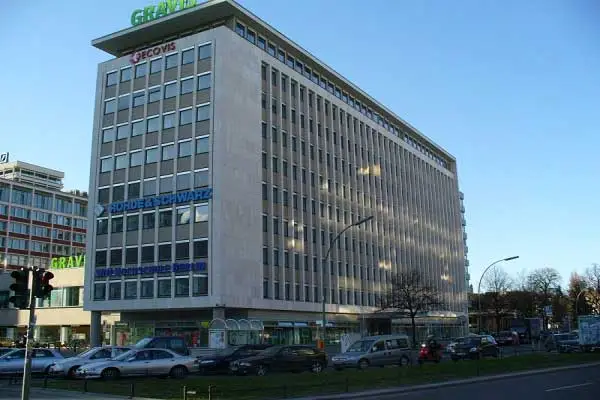
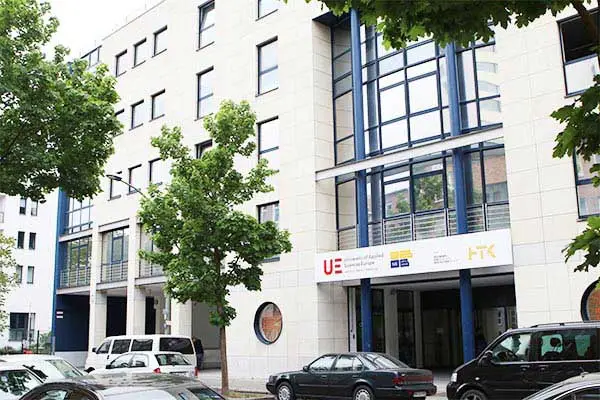
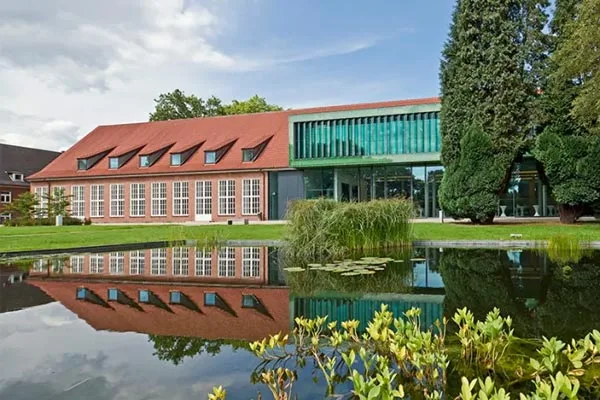
Some of the language schools NGGlobal works with in Berlin:
Most language schools accept bookings from just one week. On an intensive course, completing one German level (for example from A1 to A2) usually takes 6-8 weeks. A complete beginner typically needs 6-12 months to reach the B2-C1 level required for university. Short 2-4 week programs are also very popular in summer.
Course fees in Berlin depend on the intensity of the course, the school's location and the length of your booking. The weekly price drops noticeably for longer bookings. Many schools offer early booking, long-term and off-season discounts. When you apply through NGGlobal, you can benefit from the schools' current offers and compare prices from different schools in one place.
At most language schools in Berlin, courses other than complete beginner level start every Monday; beginner courses may have fixed start dates. For long programs that require a visa, we recommend applying at least 3 months in advance. Summer is the busiest period, and accommodation fills up quickly at this time.
Turkish citizens apply for a Schengen visa for language courses of up to 90 days, and for a national (type D) language course visa for courses longer than 90 days. For the national visa, the course must be an intensive course of at least 18 lessons a week. You will need the school's letter of acceptance, proof of payment, health insurance and proof of sufficient funds (a blocked account or a formal obligation letter). Applications from Turkey are made by appointment through the service provider authorised by Germany.
Students in Germany on a national language course visa may work up to 20 hours a week. Those on a Schengen visa for a short course are not allowed to work. The scope of your work permission is stated on your visa, so always check your visa conditions before starting a job.
Demand for rental housing in Berlin is very high, so we recommend arranging your accommodation together with your course booking.
A language student's monthly costs in Berlin vary greatly depending on the type of accommodation, and rent is the largest part of the budget. Groceries cost more than in Turkey, but discount supermarkets help keep spending under control. Student discounts give significant savings on museums, cinemas, theatres and other cultural activities.
Berlin's public transport network includes the U-Bahn (underground), S-Bahn (suburban trains), trams and buses. With the monthly Deutschlandticket you can use all local public transport in Berlin and across Germany; in 2026 it costs €63 a month. Berlin is flat, so cycling is also a very common way to get around.
Berlin has a continental climate. Winters are cold, with temperatures often around 0 °C, while summers are mild, averaging 20-25 °C. The most popular time for language courses is May to September, when the city comes alive with outdoor events.
International flights arrive at Berlin Brandenburg Airport (BER). Direct flights from Istanbul to Berlin take about 3 hours, and there are also direct flights from cities such as Ankara, Izmir and Antalya. The train from the airport to the city centre takes about 30-40 minutes.
Berlin is 2 hours behind Turkey in winter and 1 hour behind during daylight saving time (late March to late October).
NGGlobal offers free guidance at every step, from choosing the right language school in Berlin to enrolment, accommodation and your visa application. Contact us to compare the prices and programs of different schools.
No. Language schools run beginner courses for students with no German at all, and a placement test on your first day puts you in the right class.
You can book anything from 1 week to 1 year. Students aiming for university usually choose programs of 6-12 months.
On a national language course visa you can work up to 20 hours a week. Working is not possible on a Schengen visa.
Berlin stands out for its everyday living costs and cosmopolitan atmosphere. Munich requires a bigger budget but offers the calm, orderly lifestyle of Bavaria.
We recommend applying 4-6 weeks ahead for short courses that do not need a visa, and at least 3 months ahead for longer programs that require a visa.

Apply now for undergraduate and graduate programs in Italy offered in both English and Italian and take advantage of opportunities for scholarships and tuition-free education.

Let Us Call You
You can have our study abroad consultants contact you by filling out the contact form below.


