


Munich, the capital of Bavaria, is one of Germany's safest cities with one of the highest qualities of life. Home to companies such as BMW and Siemens and to renowned universities like TUM and LMU, it is a strong choice for those who want to build career connections while learning German.
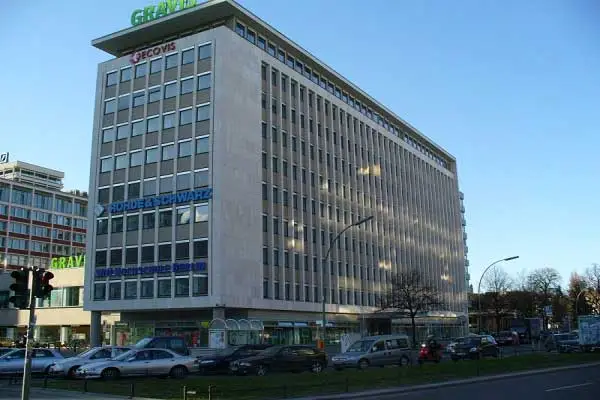
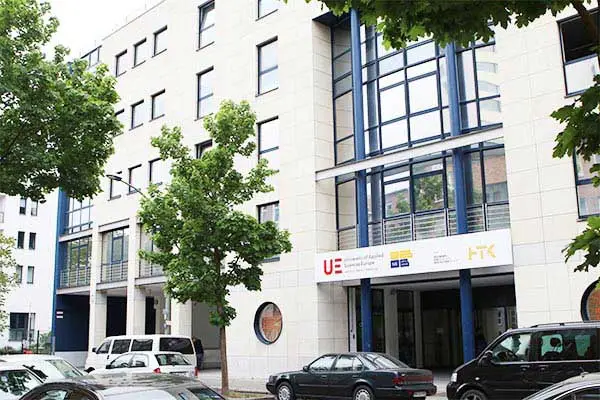
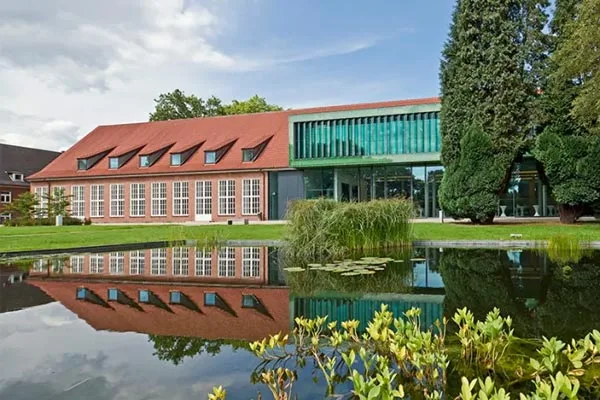
Some of the language schools NGGlobal offers in Munich:
How long you study depends on your goal: 2-4 weeks for a short holiday course, 3-6 months for everyday communication, and usually 9-12 months for a university application. At most schools, courses can be extended week by week.
Fees vary from school to school: institutes such as the Goethe-Institut are usually at the higher end, while private language schools offer more flexible pricing. Planning your course, accommodation and airport transfer together lowers the total cost. Ask NGGlobal for a quote with current prices and discounts.
Language schools accept students all year round. For short courses, booking 4-6 weeks ahead is usually enough. For programs requiring a national visa, plan your application 3-4 months ahead to allow for appointment waiting times.
Your visa type depends on the length of your course: a Schengen visa for up to 90 days, and a national visa for longer stays. For a national visa application you submit proof of enrolment in an intensive course (at least 18 lessons a week), accommodation details, health insurance and proof of funds. NGGlobal helps you prepare complete documents.
Students in Germany on a national language course visa may work up to 20 hours a week; working is not allowed on a Schengen visa. The scope of your work permission is stated on your visa, so check it before starting a job.
Munich offers a wide range of part-time jobs for students in the automotive, technology and tourism sectors.
Munich has the most expensive rental market in Germany, so a homestay or residence arranged through the school is the most practical solution for your first months.
Munich is the most expensive city to live in in Germany. Rent takes up most of the budget, but the city's parks, free events and student discounts help balance daily spending.
Munich's MVV network of U-Bahn, S-Bahn, trams and buses reaches every part of the city. The €63 monthly Deutschlandticket covers all local public transport, and the city's well-kept cycle paths make cycling easy.
Munich has cold, snowy winters and mild, sunny summers. The Föhn wind from the Alps sometimes brings unexpectedly warm days. May to September is the most popular time for language courses.
Direct flights from Istanbul to Munich Airport (MUC) take about 2 hours 45 minutes, and there are also direct flights from Ankara, Izmir and Antalya. The S-Bahn reaches the city centre in about 40 minutes.
When it is 12:00 in Turkey, it is 11:00 in Munich in summer and 10:00 in winter.
NGGlobal offers free guidance for Munich at every step, from choosing a school to enrolment, accommodation and your visa. Contact us to find the right program for you together.
Course fees are close to the German average, but accommodation and living costs are high. Homestays and long-term booking discounts help balance the budget.
No. Language schools teach standard German (Hochdeutsch), and hearing the Bavarian dialect in daily life trains your ear for different accents.
No. Schools run beginner courses, and a placement test on your first day puts you in the right class.
On a national language course visa you can work up to 20 hours a week; working is not possible on a Schengen visa.
We recommend applying 4-6 weeks ahead for short courses and at least 3 months ahead for long programs that require a visa.

Apply now for undergraduate and graduate programs in Italy offered in both English and Italian and take advantage of opportunities for scholarships and tuition-free education.

Let Us Call You
You can have our study abroad consultants contact you by filling out the contact form below.


