




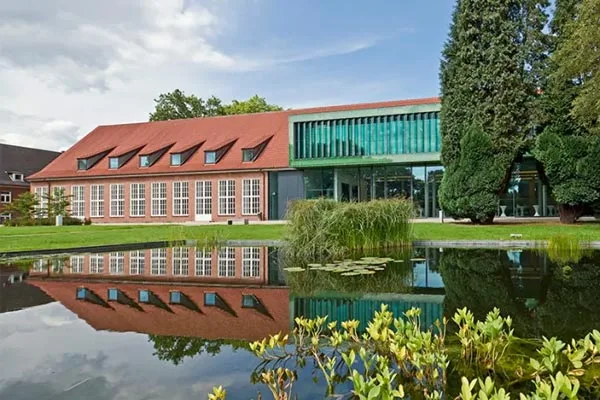

Summer school in Finland gives students the opportunity to spend the summer in unique natural surroundings, with the midnight sun, thousands of lakes and endless forests. Finnish summer schools bring together language and academic lessons with outdoor activities, sauna culture and the chance to get to know the world-famous Finnish approach to education first-hand.
Finland is not a common choice for summer school for young people, and the number of international youth programs is limited. The country's greatest strength is the international summer schools run by universities, usually for participants over 18. There are also nature and leadership camps for older teenagers. For students looking for a different Scandinavian experience and curious about the Finnish education system, Finland is an attractive option.
Attending summer school in Finland offers students many benefits beyond language learning.
Finland is a Northern European country and a member of the European Union. Its capital is Helsinki. The official languages are Finnish and Swedish, and English is very widely spoken, especially among young people. The currency is the euro.
Finland is known for its lakes, forests, sauna culture, design tradition and the Lapland region. The weather in summer usually ranges from mild to cool, and the days are very long. There are direct flights from Turkey to Helsinki.
There are different types of summer programs in Finland depending on the student's age and goals:
Summer schools in Finland offer different programs depending on students' interests:
At Finnish summer schools, the daily schedule usually starts with morning lessons or workshops. In the afternoon, there are group projects, hikes, canoeing, cycling and lakeside swimming. In the evening, there is sauna, campfires and social activities.
At weekends, participants go on excursions to Helsinki's historic islands, national parks, the lake district or, in some programs, Tallinn, the capital of Estonia. In programs in Lapland, outdoor activities under the midnight sun take center stage.
Application requirements for summer schools in Finland vary depending on the type of program. University summer schools usually require participants to be over 18 and ask for documents such as proof of a good level of English, a transcript and a motivation letter. Some programs require participants to be university students.
Nature and leadership camps for young people usually expect a certain age range and a level of English that allows students to follow the program. The application usually requires a student information form, a copy of the passport, health information and, for students under 18, a parental consent form.
Summer school programs in Finland are usually held in June, July and August. University summer schools usually last one to four weeks and have fixed start dates.
Application deadlines for university summer schools usually close in the spring, mostly between March and May. Since places in youth programs are limited, it is advisable to apply at least three to six months before the program. Keeping in mind the visa process, it is very important to plan early.
The city or region to choose for summer school in Finland depends on the type of program and the student's expectations.
Summer school programs for international participants in Finland are usually fee-paying. However, some programs offer various forms of support to participants who meet certain conditions.
Since the conditions for scholarships and discounts may change every year, it is important to follow the latest information. At NGGlobal, we keep you informed on this.
Summer school fees in Finland vary depending on the length and type of program, the city where it is held and the accommodation option. At university summer schools, tuition and accommodation fees are usually set separately. Fees for nature camps usually cover accommodation, meals and activities.
When planning your budget, you should account for airfare, airport transfers, visa and travel health insurance costs, transport and pocket money in addition to the program fee. You should keep in mind that the cost of living in Finland is above the European average.
At NGGlobal, we share the current prices of our partner institutions with you and work with you to choose the program that best fits your budget and expectations.
The main accommodation options for students at summer schools in Finland are:
At university summer schools, meals are usually not included in the program fee; participants can use affordable university cafeterias. Camp programs usually provide three meals a day. Vegetarian and pork-free menus can be provided if requested in advance.
Turkish citizens need a short-stay Schengen visa to attend summer schools in Finland. Visa applications are made through Finland's mission in Turkey or the authorized visa application center.
The application usually requires documents such as the summer school's acceptance and payment confirmation, proof of accommodation, a flight reservation, travel health insurance, proof of financial means, a student certificate and, for students under 18, a notarized parental consent form.
Since demand for visa appointments is high in the summer months, it is important to plan your application a few months before the program. At NGGlobal, we support our students and their families at every step of the visa process.
Finland ranks among the safest countries in the world. At nature camps for young people, students take part in activities accompanied by experienced guides and supervisors. Canoeing and lake activities are carried out with the necessary safety equipment.
Since university summer schools are usually for participants over 18, participants follow a more independent schedule. Because the days are very long in summer, it is advisable to pay attention to sleep routines and take simple precautions such as using an eye mask.
At NGGlobal, we offer free consultation to students who want to attend summer school in Finland and to their families. By assessing the student's age, English level, interests and budget, we identify the most suitable program. Where needed, we also share alternative options in other European countries with you.
Contact us to build your summer school plan in Finland together.
University summer schools in Finland are usually for participants over 18. Nature and leadership camps for young people usually accept older teenagers.
At international summer schools in Finland, courses are usually taught in English. Finnish summer courses teach Finnish.
The midnight sun is the natural phenomenon in which the sun does not set all night during the summer months in northern Finland. In the south of the country, summer nights are also very short and bright.
Turkish citizens need a short-stay Schengen visa to attend summer schools in Finland.
Yes. At the end of the program, summer schools give participants a certificate of attendance. Some university summer schools may also award credits for their courses.
No results found!

Apply now for undergraduate and graduate programs in Italy offered in both English and Italian and take advantage of opportunities for scholarships and tuition-free education.

Let Us Call You
You can have our study abroad consultants contact you by filling out the contact form below.